The labour colony movement had its roots in religious / socialist ideals of the 19th century. Concerns about the inadequacy of the poor laws led a number of organisations to create therapeutic communities offering fresh air, plentiful work and isolation. Colonies on this model were developed for sufferers from TB, alcoholics, epileptics and the ‘feeble-minded’.
However, the movement also had a deeply pragmatic side, with a strong focus on relieving unemployment. Many of those involved in the labour colony programme were quick to see the opportunities for unemployed British men in helping to settle the Empire. Up to the start of WW1, many voluntary colonies worked with governments in Canada, and later Australia and New Zealand to develop emigrant training schemes, with a strong emphasis on the need for “white settlers”.
Although interrupted during the war years by the need to provide facilities for wounded and shell-shocked soldiers invalided from the front, training for Empire gathered momentum again after 1918, this time with active government involvement under the Empire Settlement Act.
Following the financial crash of 1929, enthusiasm began to wane and the programme never returned to its pre-war peak, By the end of the thirties, labour colonies had largely petered out and, during and after WW2, many were repurposed as remand homes for young offenders referred by the courts.

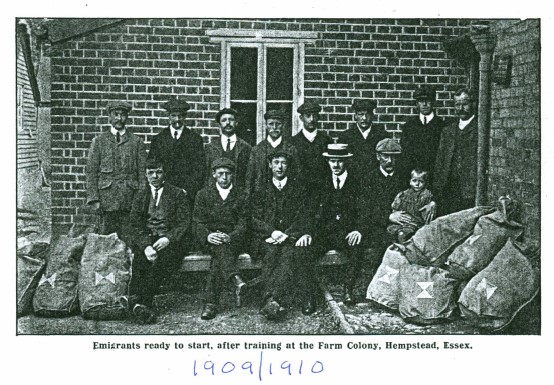
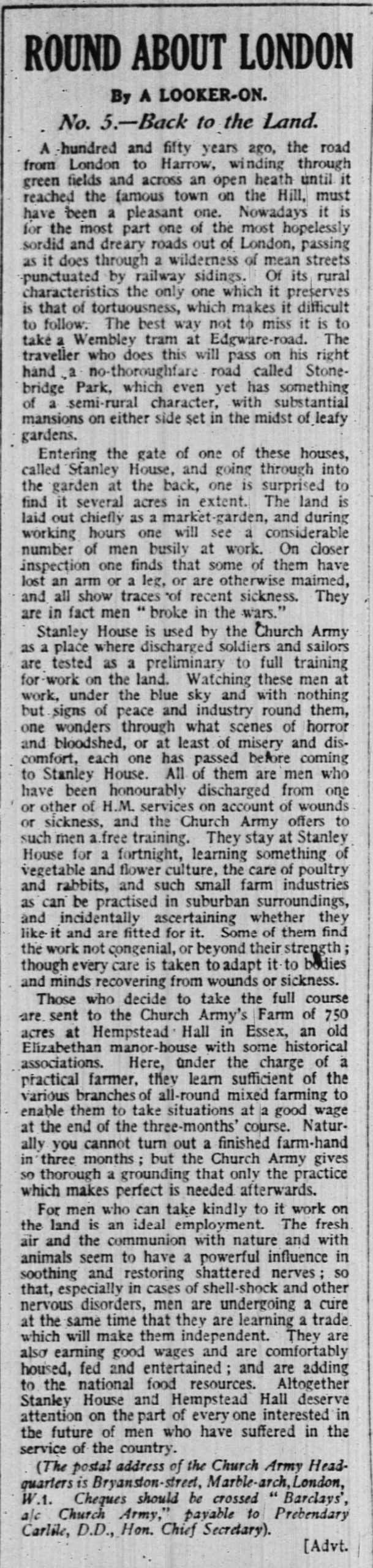
What has this to do with Hempstead? Well, in 1905, the Hempstead Hall estate, together with some 740 acres of land including Ruses Farm, was gifted to the Church Army, which had been founded 23 years earlier by Wilson Carlile. The Church Army was quick to adapt it to a Farm Training Camp which, over the next thirty years, sent thousands of boys to new lives in Australia, New Zealand and Canada. Several local people were employed there, including Jack Drane from Parsonage Farm.
This collection, comprising newspaper reports, government papers obtained from the Public Records office and archive material generously provided by the Church Army, casts a fascinating light on a little known story that unfolded in our village during the last century.
Church Army Reviews
Remand Home Reports
Miscellaneous press coverage
Country Life article, 24 May 1913
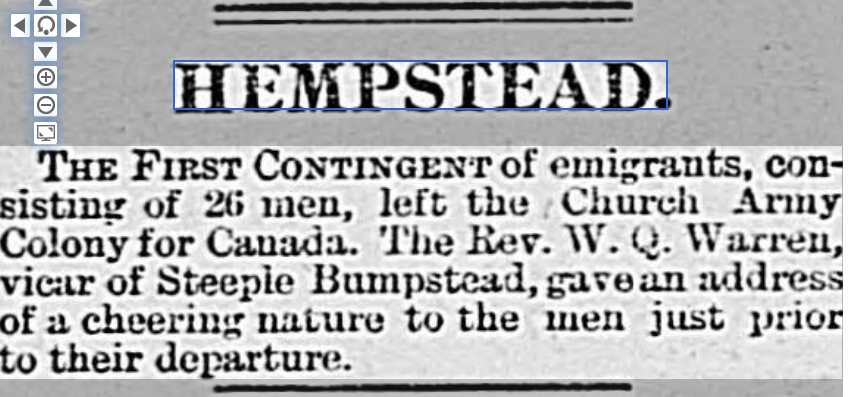
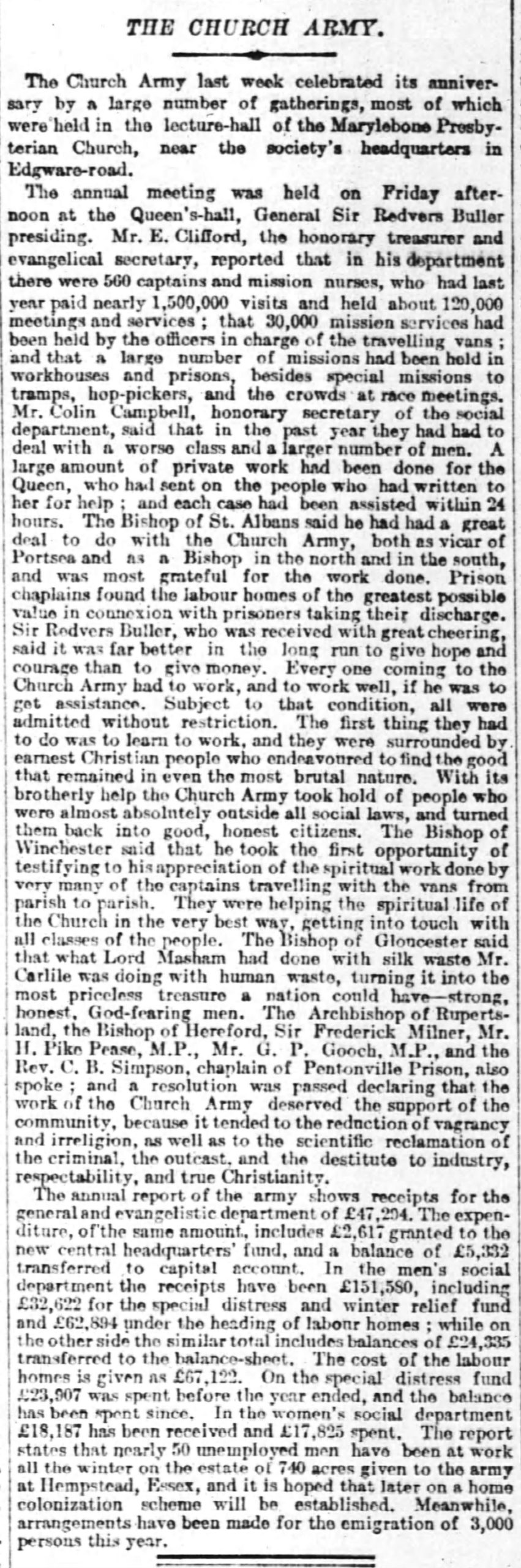
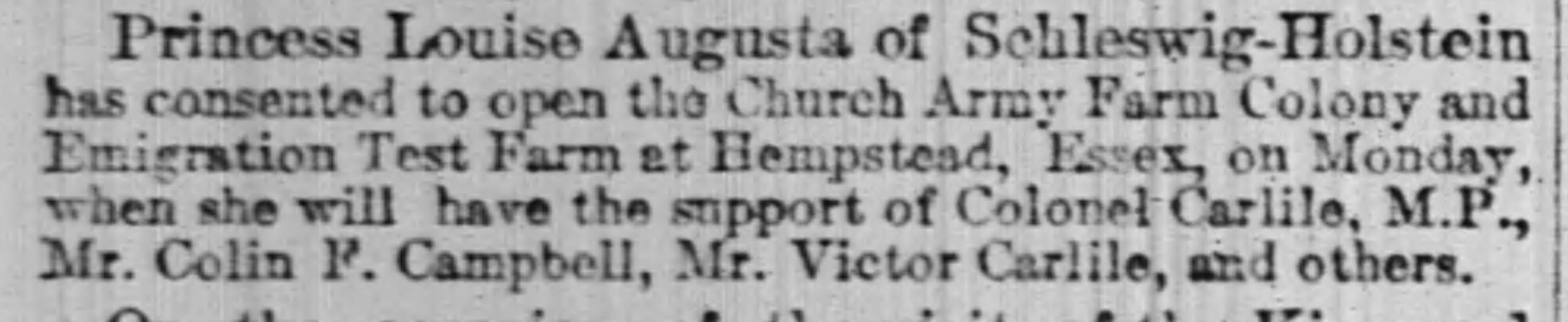
Extract from Wilson Carlile and the Church Army (Edgar Rowan, 1912)